Welcome!
Welcome to Beauchemin Preservation Farm,
located on a 250 year old farmstead in Maine.
Our farm was established in 1998.
Making hay
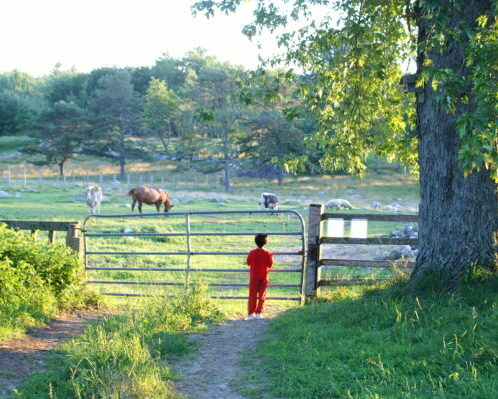
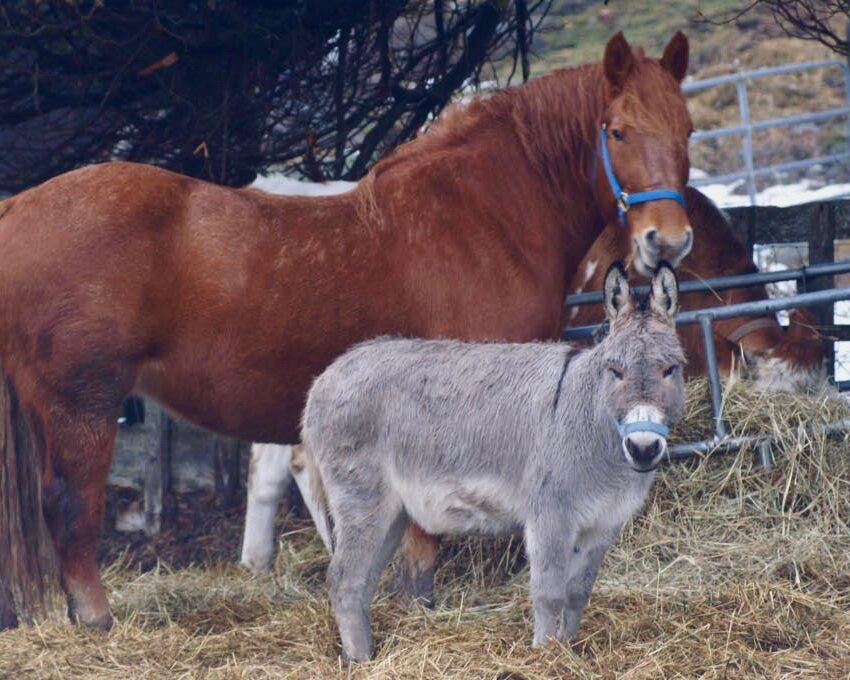
Our sheep, goats and equines need about 1500 bales of hay to see them through the winter. Most years we make our own hay. Our hay is certified organic. We delay most of our haying until after July 15 to give ground nesting bobolinks, migratory song birds, time to launch their offspring. Now that they’re airborne, we are making hay in small batches anytime we can anticipate three dry days. One of our tractors is a hard working and reliable 72 year old. Making hay is kind of fun, and kind of hard work. Feel free to stop and watch if you see us working the hillside hayfield.
Preserving Endangered Breeds
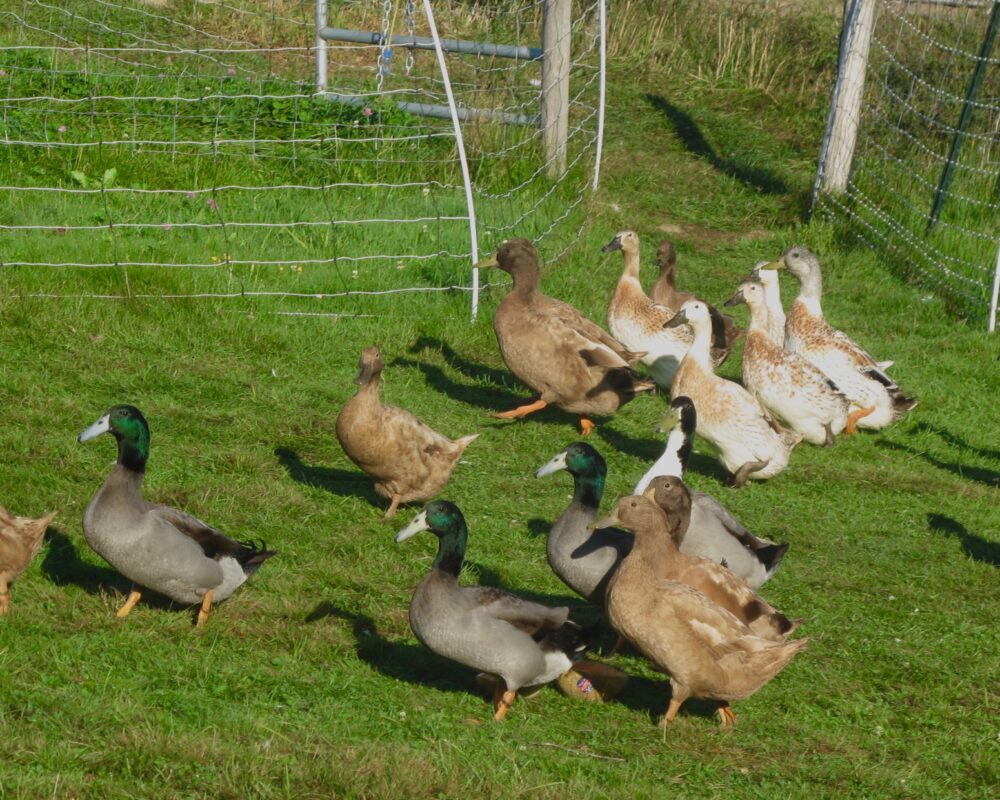
We’re JoAnn and Wayne Myers, and we raise several endangered breeds of farm animals and poultry. We welcome visitors to our farm by appointment.
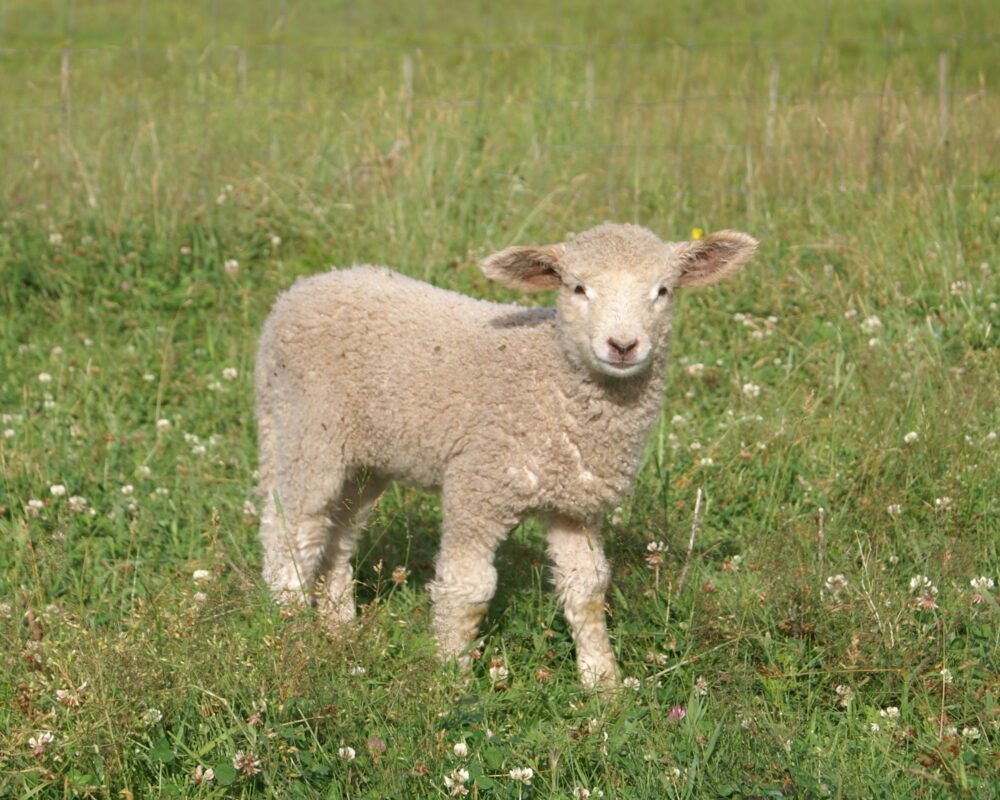
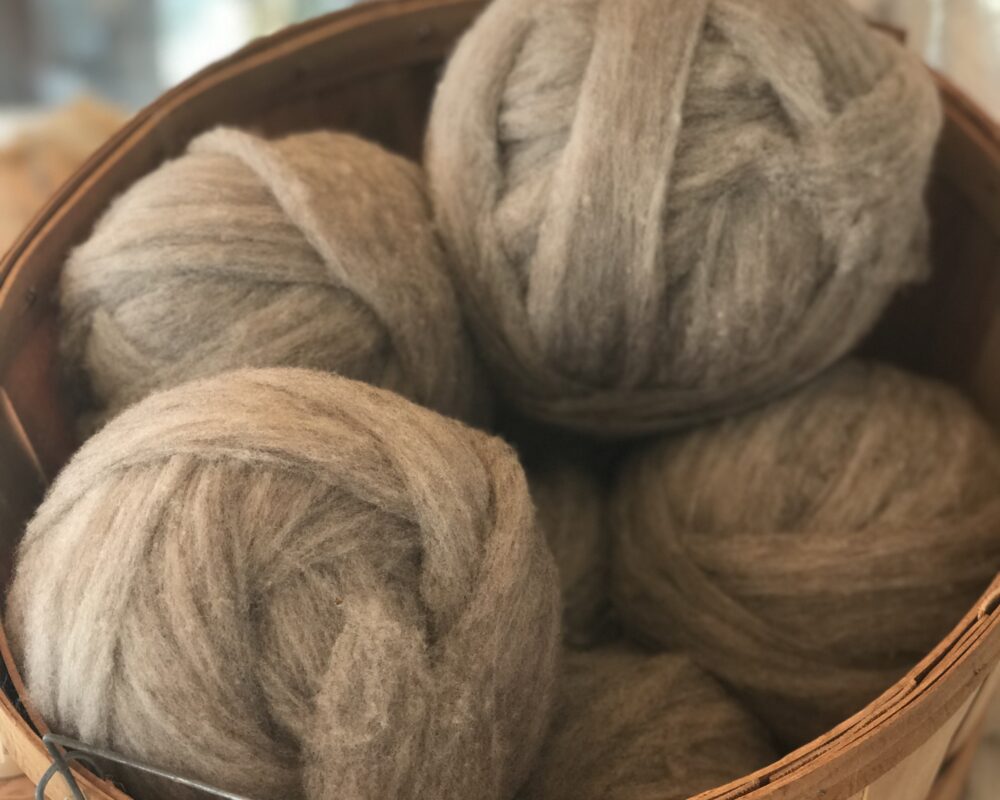
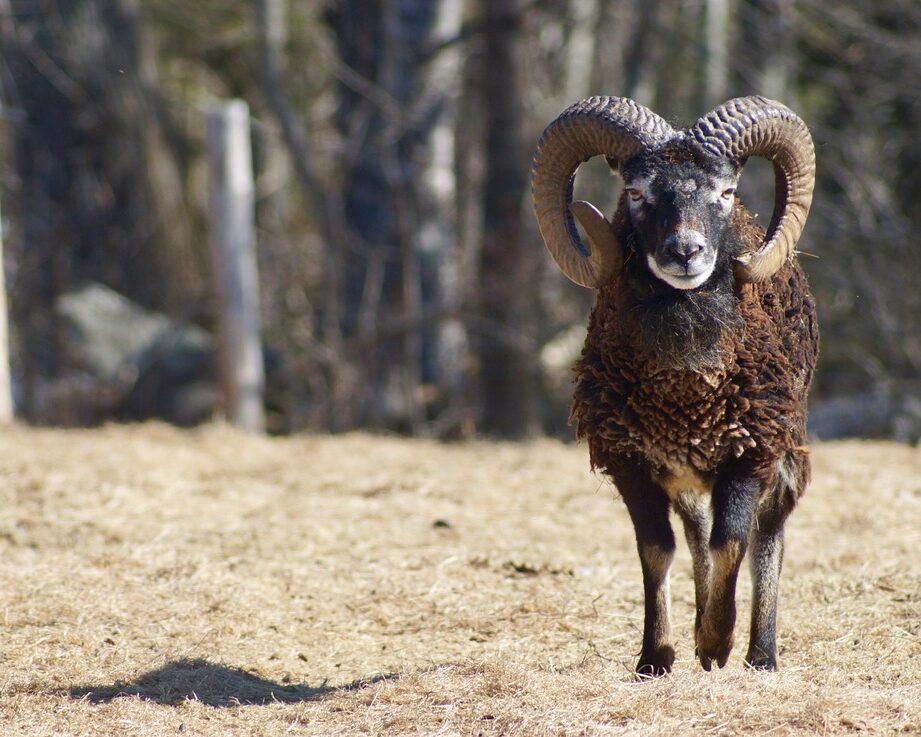
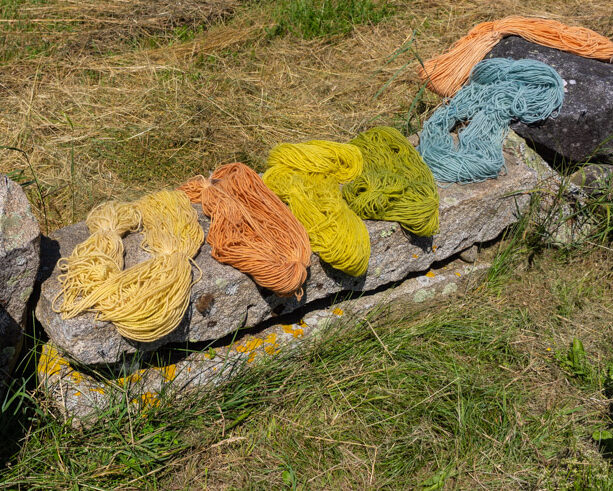
We raise three endangered breeds of sheep– California variegated, British soay, and Leicester longwool, and sell their wool and breeding stock from British soays.
In addition, we raise and sell pelargoniums. There are 230 pelargonium species noted for their irregular flower shape, abundance of colors, and many hybrid varieties. We raise about 25 varieties, including vine, scented, zonal and species pelargonium. We usually have cuttings available throughout the year and plants for sale in summer and fall.
Seed for traditional dye plants including woad and madder is available on a limited basis.
Why Are We Doing This?
Before the transition from subsistence to commercial farming in the 19th and early 20th century, farm animals and crop plants had evolved to be healthy and productive in particular local climates and situations. Most livestock served multiple purposes. For example, female cattle produced milk and calves. Males provided beef and, as oxen, cleared and plowed the fields. Every region had its own “landrace” cattle adapted to local feed sources, work requirements and living conditions.
As farming shifted from growing things for use by the family (subsistence farming) to growing single products for sale, most of these “landrace” breeds were lost. A versatile, hardy, intelligent animal was less valuable than one which produced large quantities of a single commercial product per unit of time under strictly controlled conditions.
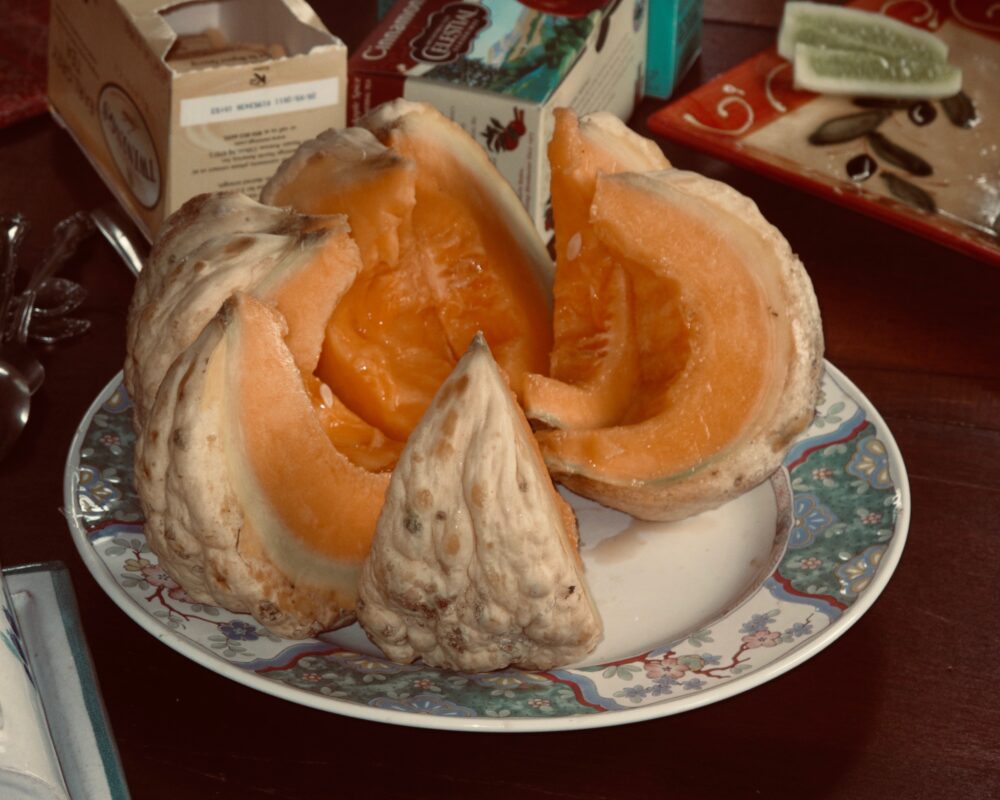
The situation is similar for many of the older varieties of fruits and vegetables. Simultaneous ripening, long shelf life and attractive appearance are of greater commercial significance than flavor or nutrient content.
The Icelandic Goat Project
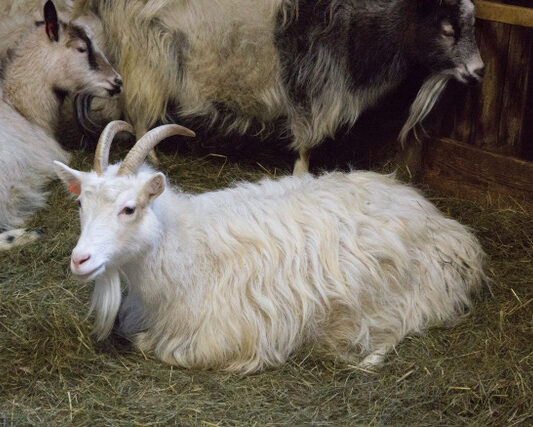
Goats were brought to Iceland about one thousand years ago and have been genetically isolated since then. Natural selection has produced a breed particularly suited to producing cashmere fiber, milk and meat in a cold wet climate. They became endangered with the decline of subsistence farming. We are working with Icelanders to introduce Icelandic goats into the USA. Learn about the Icelandic Goat Project here.
At Beauchemin Preservation Farm we are working with a few varieties of livestock, poultry, fruits and vegetables to preserve traditional stock, raise awareness about their advantages and give visitors the opportunity to learn more.